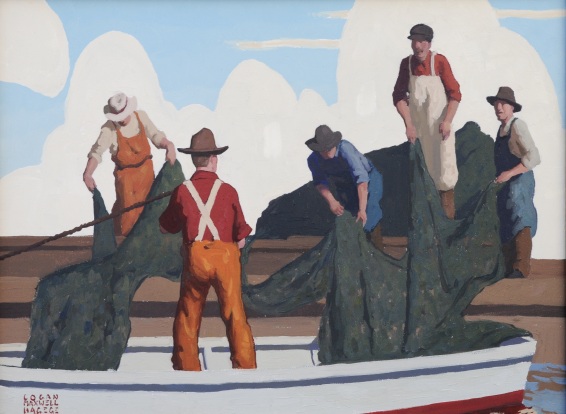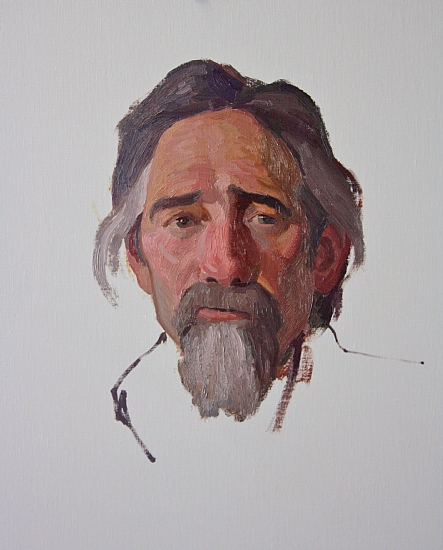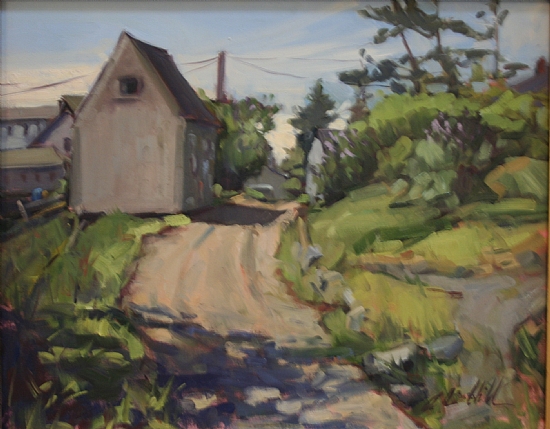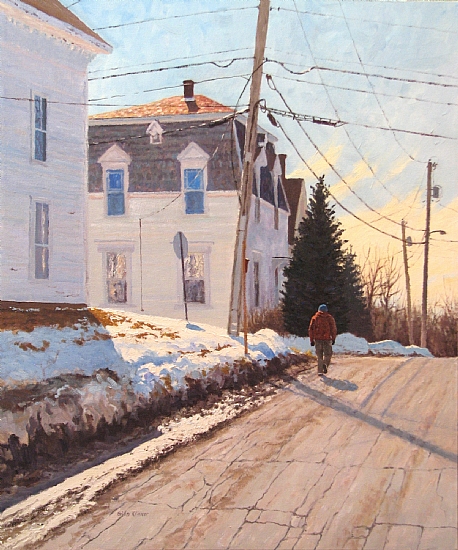
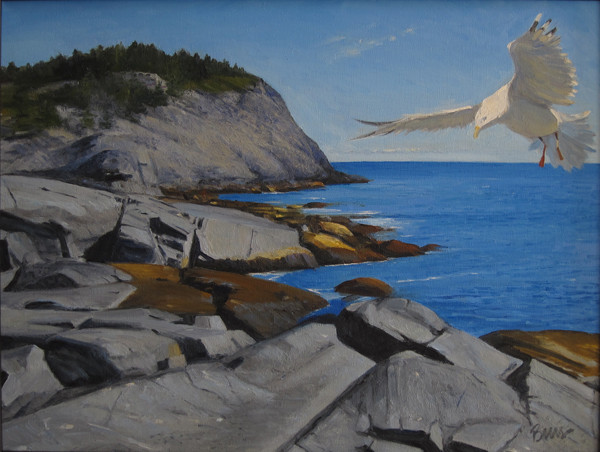
“Blackhead Gull” by Kevin Beers
Image: Gleason Fine Art
I think there is a voice in Kevin’s head that says… PAINT BIG OR GO HOME… ha ha… I’ve never seen Kevin paint small, but that’s what’s so intriguing about this artist. Fred and I met him years ago, our first trip to Monhegan. There he was with a gigantic canvas walking down the road in Monhegan with all his equipment. Kevin draws a crowd when he walks through town with those large canvases. You can’t help but to be drawn in… and it’s a blast to talk and watch him paint. There are few artists that can do both, and I do try to respect the fact that they need to concentrate, so I don’t usually strike up a conversation, but Kevin can talk and paint and paint well. I think this painting “Blackhead Gull” is mysterious. I love the bird… love the shadows and crevices in the rocks, another great painting! Most of you will remember his famous paintings of the Monhegan Lighthouse. The lighthouse is a striking image especially around sunset when it’s basking in that gorgeous warm light! If you are on Monhegan this summer, look for Kevin, he won’t be hard to find! There may be a lot of artists painting, but he’ll be the one with the very large canvas!
For those of you in the Portland, ME area… Kevin has a show coming soon… Gleason Fine Art (Portland for this show), click HERE for details…
FEBRUARY 3 – MARCH 31, 2012 in Portland
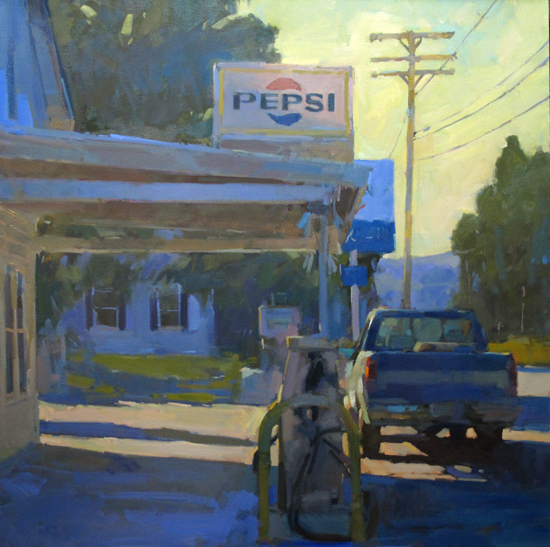
Trucks and Landscapes
Oil paintings of trucks and Monhegan Island by noted painter Kevin Beers.
Here’s a blip about Kevin from Gleason Fine Art website:
Each summer Brooklyn resident Kevin Beers returns to his beloved Monhegan Island to paint for 4 months, mining a fresh treasure trove of subject matter from this tiny island off the coast of Maine. Beginning in 2009, Beers has also been making annual trips to Monhegan in winter in order to capture the islands special light in snow.
“Monhegan is a dazzling place with incredible, beautiful light. It is such a remote and untouched island. I love to paint the buildings on the island–the color and structure of weathered buildings, the patterns of sunlight and shadow, and the sharp contrast between a red roof, white clapboards, and bright blue sky,” says Beers.
Kevin Beers has received increasing attention for his work, including features in Maine Home + Design, DownEast, American Art Collector, and American Artist. Avid collector, actor Remak Ramsay, says of Beers: “Unlike so many contemporary artists, Kevin Beers is well trained in the basics. Combine that with a genuine affection for the people and places he paints and his love of slanting light, and you get a rare magic that, eschewing trendy gimmicks, is as honest and sincere as it is beautiful.”
Daniel Kany, arts reviewer for the Portland Newspapers, writes of Beers: “Kevin Beers respect for Hopper is apparent, but he quickly takes his quiet volumes and glowing tonality away from Hoppers slow, cooled lines. Beers brushwork flows at a strong pace that never hurries or abandons thoughtfulness. The masterful bow to Hopper is worth applauding–especially when a closer inspection reveals Beers flowing brushwork is nothing like Hoppers.”
Kevin did a MONHEGAN PANORAMA, sixteen 16×20 canvases… you’ve got to see it to believe it… There is a short video on Lupine Gallery’s Facebook… click HERE to see the video!
Catch you back here tomorrow!
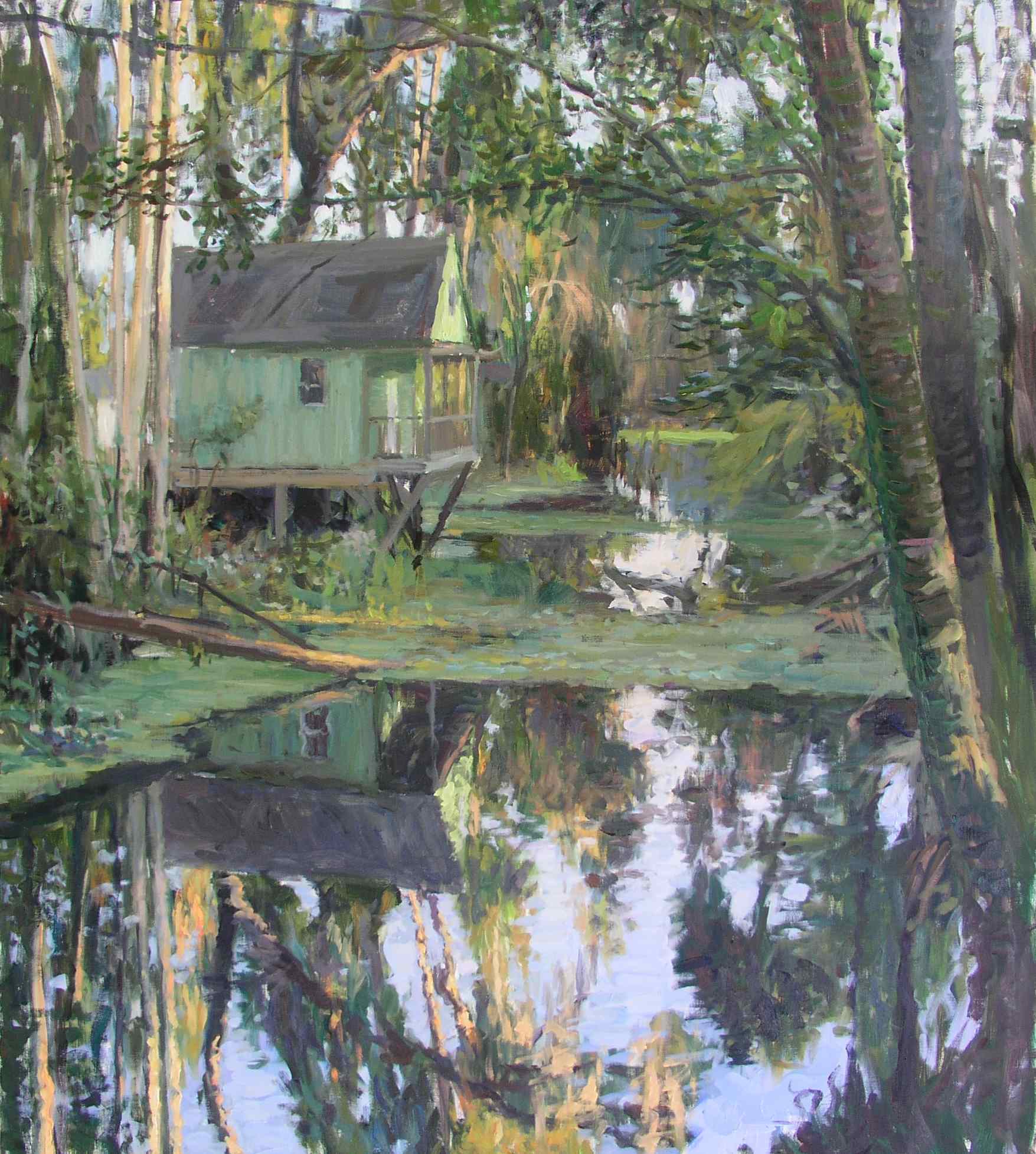
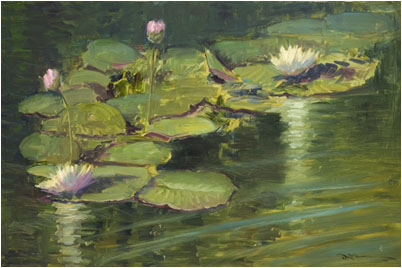
 John Carroll Doyle was born in Charleston in 1942, and is nationally known for his energetic, light filled paintings of subjects as diverse as blues musicians, blue marlins and blue hydrangeas. The artist got his start with his distinctive sportfishing paintings which have graced the covers of many popular sportfishing magazines in the late 1970’s and early 1980’s. He continued to make a name for himself throughout the 1980’s with his now famous and large scale commissioned paintings that can be seen on the walls of many of downtown Charleston’s beloved restaurants, as well as clubs and restaurants as far afield as Chicago, Illinois and Alexandria, Virginia.

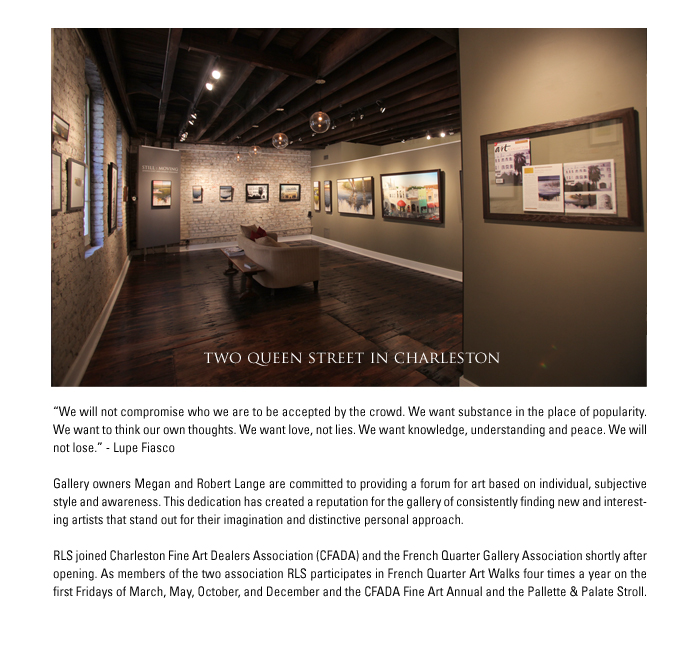


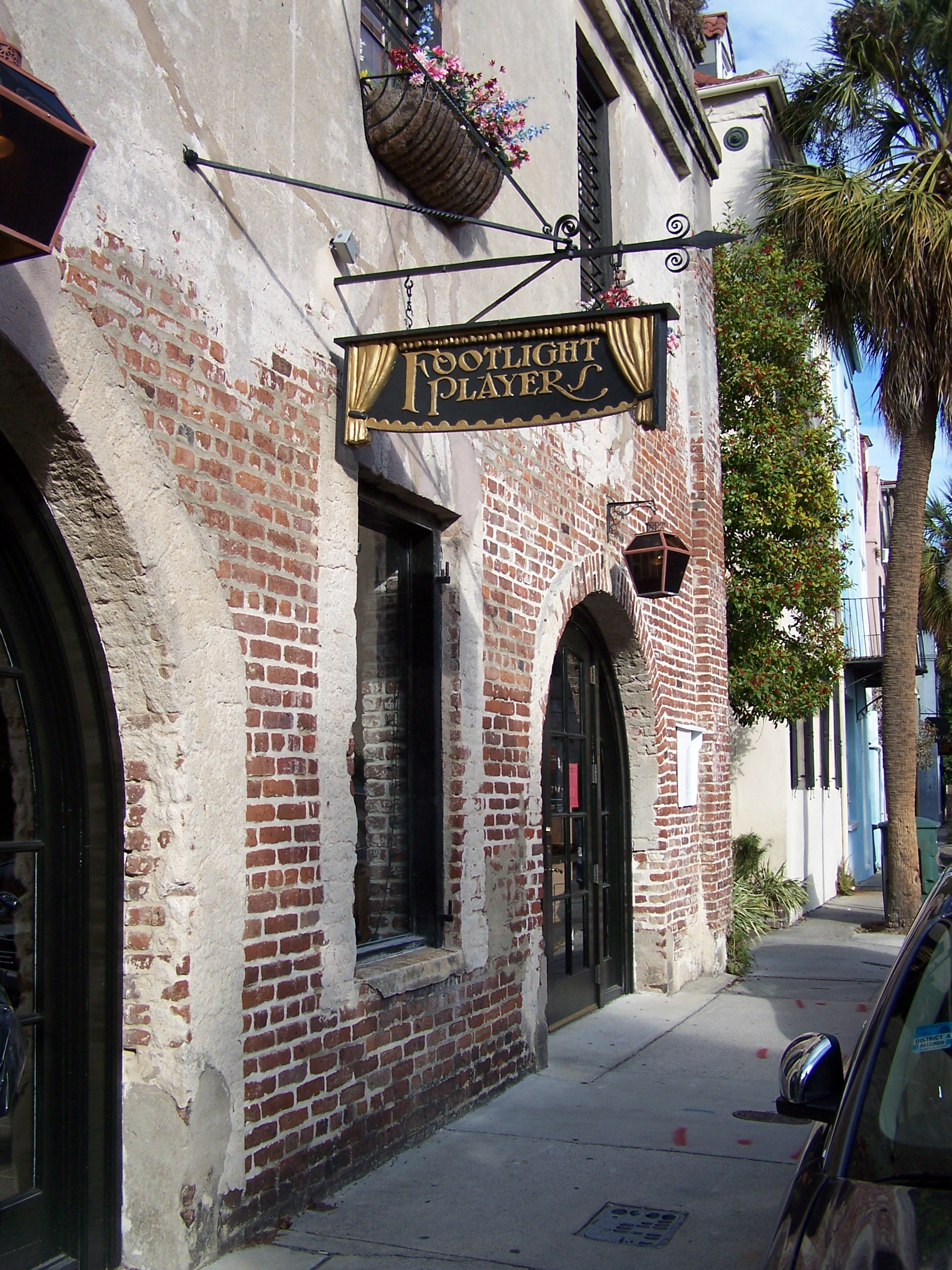
 In 1934, the Players purchased an old cotton warehouse (circa 1850) with the idea of eventually converting it into a finished playhouse. Yet until 1938, all productions were presented in a variety of spaces around the Holy City—the Academy of Music (corner of King and Market Streets), the Victory Theatre (85 Society Street), Hampton Park, The Citadel, and The Dock Street Theatre. During this time, the cotton warehouse was used for storage and scenery construction. In 1941 a shortage of performance space caused the Players to again turn to their warehouse.